01
Define the monitoring question
What are we actually trying to understand?
Environment → Objective → Location
What can go wrong?
Monitoring the easiest parameter instead of the one that actually answers the environmental question.
From instruments to decisions
A monitoring programme is more than installing sensors. It starts with deciding what needs to be known and continues through checking whether the data is reliable enough to support a decision.
The monitoring lifecycle is the full path from an environmental question to measurements people can use: defining requirements, choosing instruments, designing, deploying and commissioning the system, then checking, interpreting and maintaining it. A working station and a number on a screen are not enough; the whole chain must support evidence worth acting on.
Authentic field sequence
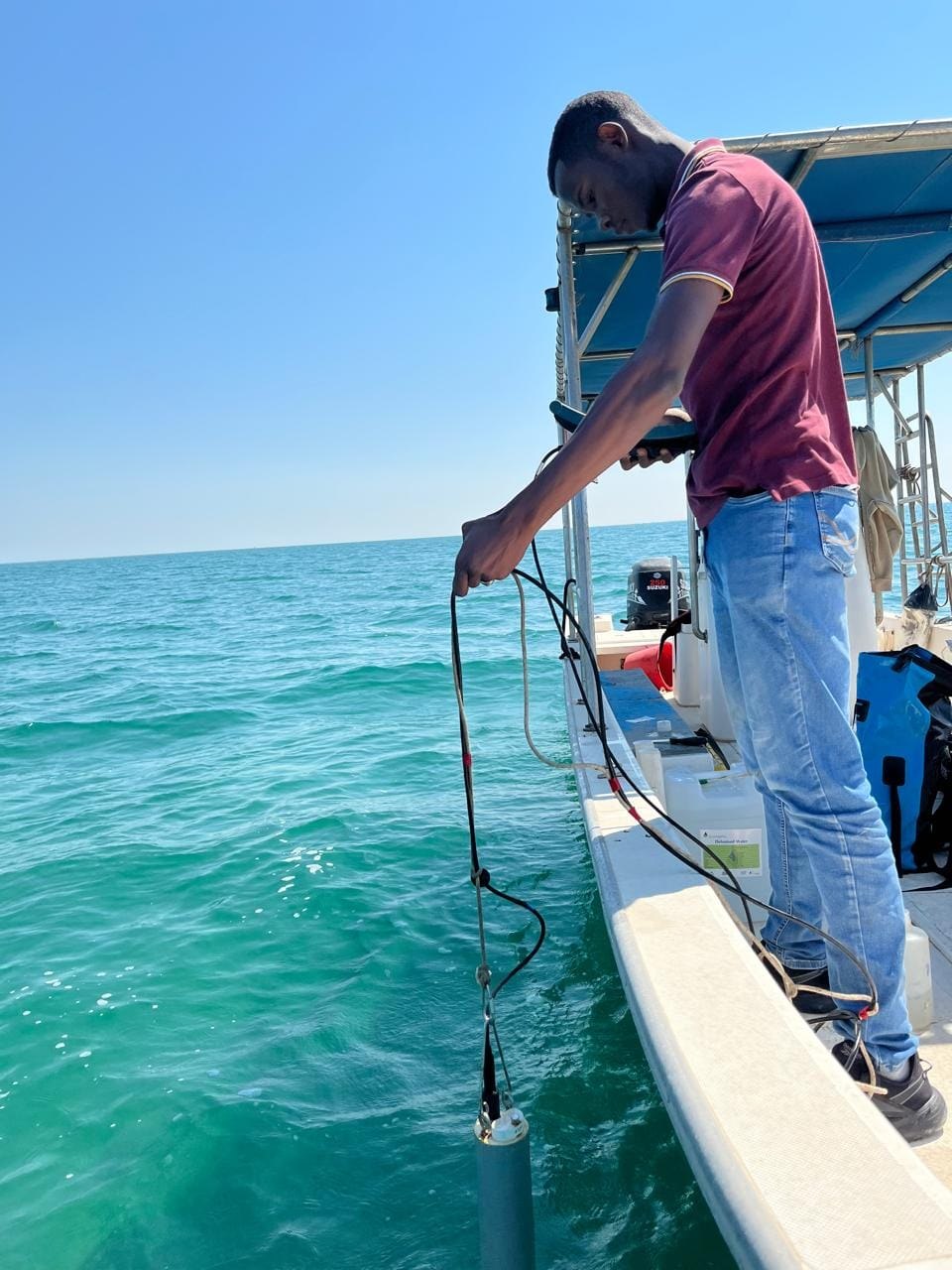
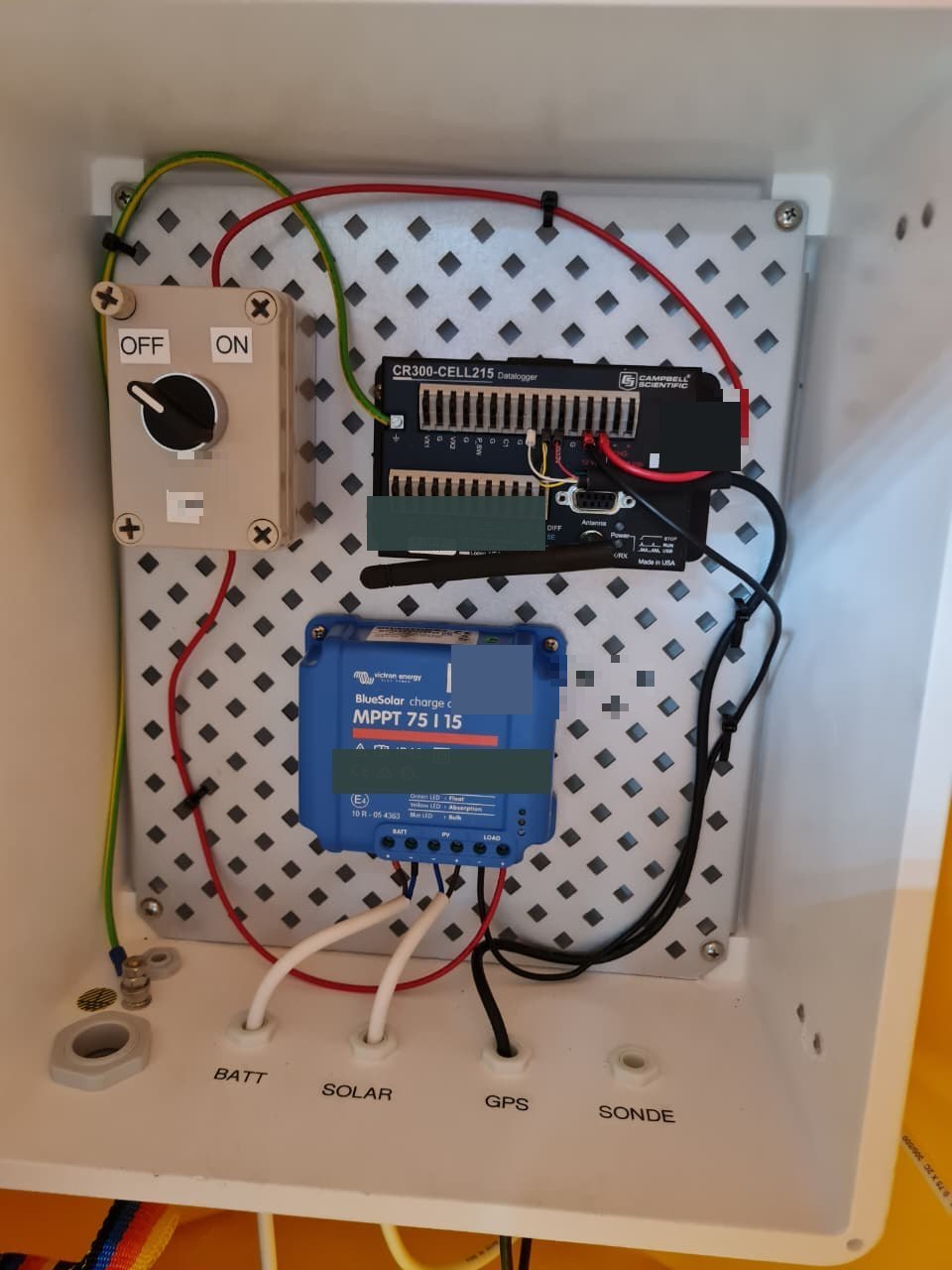
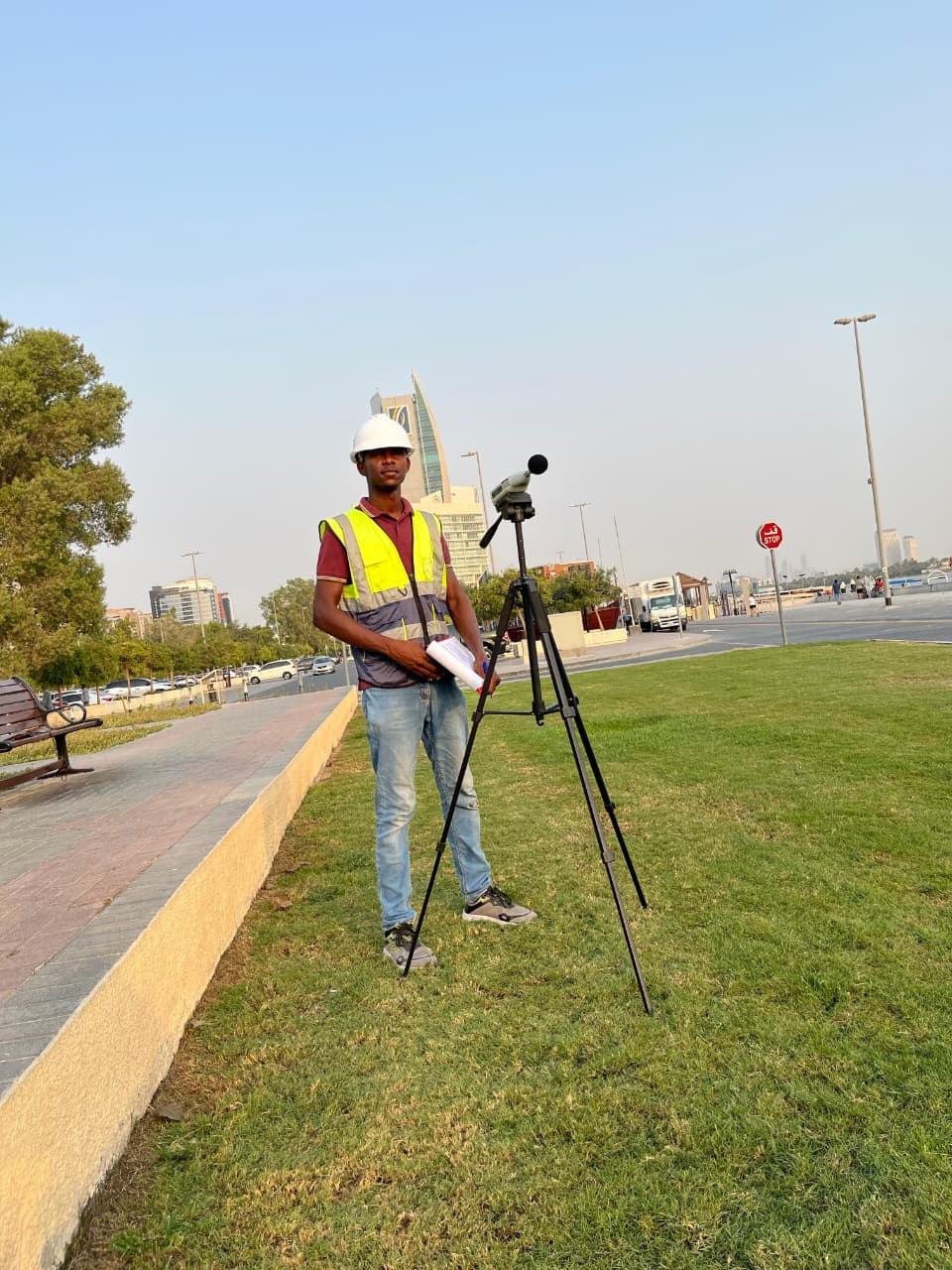
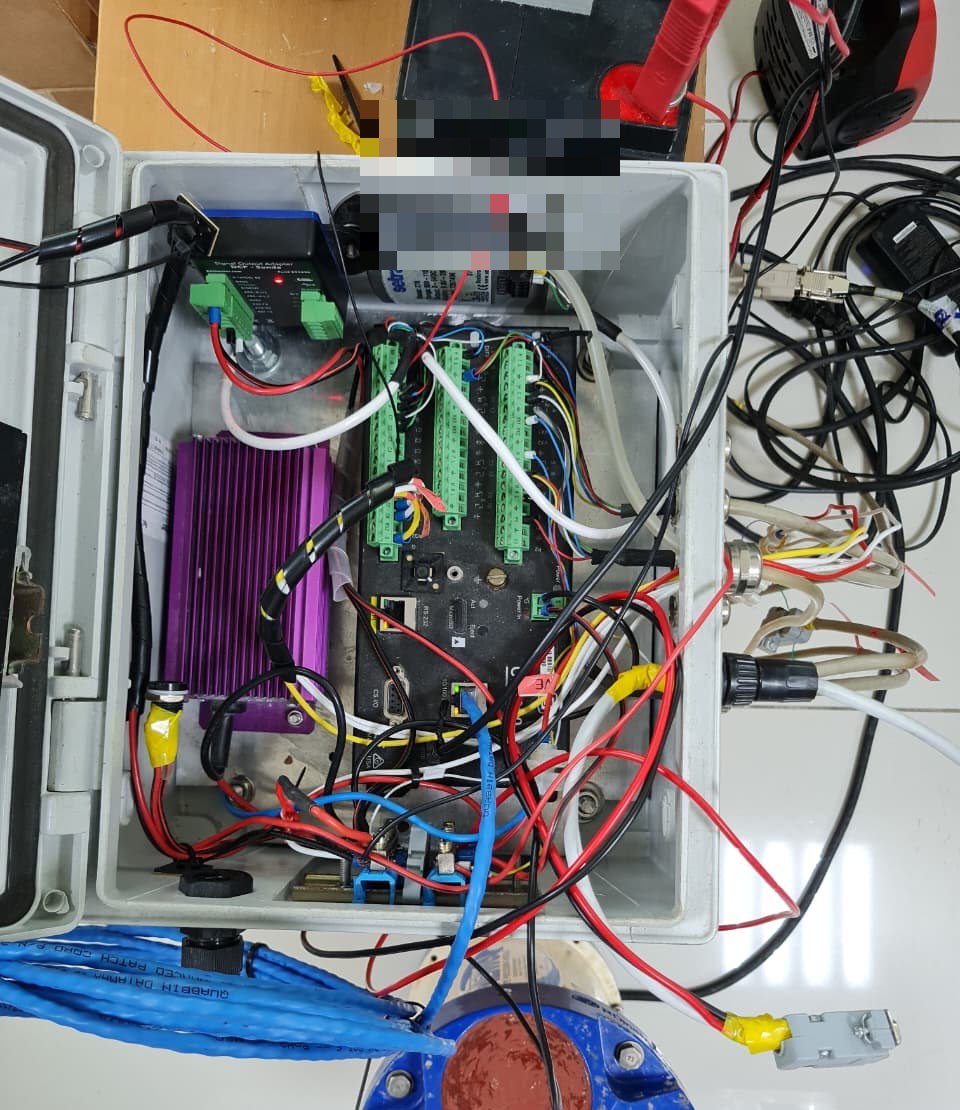
Define the monitoring question
Environment → Objective → Location
Monitoring the easiest parameter instead of the one that actually answers the environmental question.
Specify the measurement
Requirement → Parameter → Measurement characteristics → Instrument
Measurement requirement first. Instrument second.
Build & deploy
Instrument integration → Station → Power & telemetry → Deployment → Commissioning → Data delivery
The instrument measures correctly, but the information never reaches the intended destination.
Verify the evidence
Arrival is not validation.
A perfectly transmitted value originates from a compromised measurement path.
Interpret & decide
Pattern → Context → Meaning → Uncertainty → Decision
Environmental Intelligence can support interpretation; professional and scientific judgement remain essential.
Operate & improve
Maintenance → Failure history → Lessons → Redesign
Learn from operational history.
Repeatedly replacing hardware without investigating operating behaviour.